Resources

In Crisis?

Help is available

Speak with someone today

988 Suicide and Crisis Lifeline

Languages: English, Spanish

Hours: Available 24 hours


Chat        |     Call 988      |      Text 988


Socials

LinkTree Pioneer Counseling Learning Modules Counseling Convos Podcast Facebook Group Instagram Pinterest YouTube Channel Brené Brown Key Points

Are you fully licensed, new to the field, an institution or agency, church or business looking for Clinical Supervision/ Consultation or Training? Complete the form below!

Supervision/ Consultation/Training Application

Blog

By Geries Shaheen August 11, 2026
Conversations about DSM-6 are growing louder in professional spaces . Industry leaders, researchers, and clinicians are sharing insights about what the next revision of the Diagnostic and Statistical Manual of Mental Disorders may look like. Some projections suggest a potential release window around 2029 to 2030 , though the American Psychiatric Association has not formally confirmed a publication date. For Licensed Professional Counselors, it is important to distinguish between confirmed information and thoughtful speculation. What follows is a grounded overview of both.  What Is Officially Confirmed There has been talks of the next DSM potentially being names something totally different, as well as potentially being a living breathing document housed online rather than a printed material. This has led to thoughts that it will include a full structural overhaul as it aims to find a balance between psychiatric insight as well as lived experience data. At the moment, there has been no official announcement of: A finalized DSM-6 release date A confirmed structural overhaul A change in name Adoption of biomarkers as diagnostic requirements The APA has historically used multi-year committee processes for revision, as documented during the development of DSM-5 (Regier et al., 2013, American Journal of Psychiatry). Any specific timeline, including projections of 2029 to 2030, remains speculative unless formally announced by the APA. Documented Criticisms of the DSM Many of the concerns you listed are well documented in peer-reviewed literature, including in the American Journal of Psychiatry. Historically cited critiques include: • The DSM uses a categorical model, which may not fully capture dimensional or nuanced symptom presentations. • Emphasis on diagnostic reliability has sometimes been prioritized over diagnostic validity. • Limited integration of biological markers despite advances in neuroscience. • Heavy reliance on expert consensus panels. • Concerns about Western cultural bias in diagnostic framing. These critiques have appeared in academic discussions surrounding DSM-5 and broader psychiatric nosology debates (Hyman, 2010; Regier et al., 2013). What is important to note is that these criticisms are part of ongoing scholarly dialogue. They do not automatically predict specific DSM-6 changes. Themes Being Discussed in Professional Circles While not formally confirmed, several themes are widely discussed among researchers and leaders: 1. Greater Dimensional Integration DSM-5 already introduced cross-cutting symptom measures and severity scales. Continued movement toward dimensional models is supported in academic literature (Krueger & Markon, 2014). A future DSM may further integrate dimensional frameworks alongside categorical diagnoses. 2. Stronger Alignment with ICD There has been ongoing effort to harmonize DSM diagnostic codes with the International Classification of Diseases, maintained by the World Health Organization. Future revisions may continue this integration to improve global diagnostic consistency. 3. Inclusion of Biomarkers Despite significant neuroscience research, no current psychiatric diagnosis relies on validated biomarkers. The National Institute of Mental Health developed the Research Domain Criteria (RDoC) framework to explore biologically informed models. However, RDoC remains a research framework and is not a diagnostic manual. Any integration of biomarkers into DSM-6 would require strong empirical validation, and no official confirmation currently exists that biomarkers will be required for diagnosis. 4. Cultural and Social Determinants DSM-5-TR expanded cultural formulation tools and updated language related to gender and diversity. Ongoing discourse suggests future editions may further incorporate cultural, socioeconomic, and environmental determinants of mental health. 5. Lived Experience Input There is broader movement in healthcare toward incorporating lived experience perspectives. While stakeholder feedback has been part of past revisions, there has been no formal announcement detailing the extent of lived experience integration for DSM-6. The direction of greater inclusivity aligns with contemporary healthcare standards but remains under development. Autism and Potential Diagnostic Shifts Speculation regarding updates to Autism Spectrum Disorder criteria reflects ongoing research around gender differences, masking, and underdiagnosis in women and people of color. Research literature supports the idea that autism presentations may differ across populations. However, there is currently no official confirmation that DSM-6 criteria changes will create a diagnostic surge. Any future criteria updates would require field trials and empirical validation before implementation. Committee Structures The APA historically forms workgroups and task forces organized by diagnostic categories and thematic areas. Planned improvement committees include the "Structure and Dimensions committee", "Functioning and Quality of life committee" "Biomarkers and Biological factors committee" " Socioeconomic, cultural, and environmental determinants of mental health committee". What LPCs Should Do Now Continue practicing under DSM-5-TR standards. Strengthen dimensional assessment skills and measurement-based care. Stay informed through official APA channels and peer-reviewed publications. Approach social media claims with professional caution. :) It is reasonable to expect that DSM-6 will aim to reflect scientific advances, cultural responsiveness, and improved diagnostic validity. However, until the American Psychiatric Association releases formal statements, timelines, or draft criteria, any detailed structural predictions remain speculative. For Licensed Professional Counselors, preparation is less about anticipating dramatic changes and more about maintaining strong assessment practices, cultural competence, and evidence-based treatment planning. Geries Shaheen is a Licensed Professional Counselor and Nationally Certified Counselor operating in and around St. Louis Missouri. Geries holds his MA in Professional Counseling from Lindenwood University, BA in Intercultural Studies from Lincoln Christian University, and holds a certificate in Life Coaching, Geries provides life coaching services to clients online globally. Geries is EMDR trained and DBT Certified, practicing from a TIC lens.
By Geries Shaheen August 11, 2026
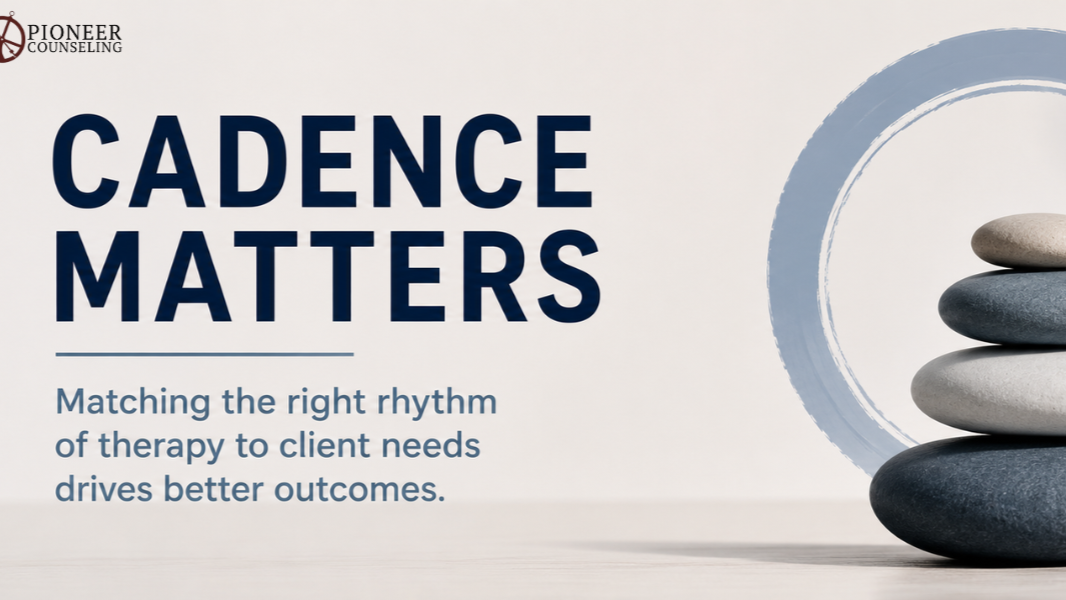
In behavioral health, we spend a significant amount of time discussing medical necessity. We complete assessments, symptom inventories, risk scales, progress reviews, treatment plans, and utilization documentation designed to justify levels of care to payors, agencies, and federal grant programs. Those systems are important. Accountability matters. Evidence-based care is crucial. But there is another clinical variable that often determines outcomes more than any assessment score alone: Cadence. The frequency and consistency of therapy can profoundly impact stabilization, insight development, emotional regulation, therapeutic alliance, and long-term outcomes. Yet cadence is often treated as an operational scheduling issue instead of a clinical intervention in itself. The reality is that not all clients need the same rhythm of care. Some clients benefit from: Daily therapy for intense instances. Twice-weekly sessions during periods of crisis stabilization or acute symptom escalation Weekly therapy for active trauma processing, emotional regulation development, or skill acquisition Biweekly sessions during maintenance phases Monthly sessions for relapse prevention, accountability, and long-term support after sustained improvement Research increasingly supports what many clinicians already observe in practice: matching cadence to client need improves outcomes. A 2024 meta-analysis published in the Journal of Affective Disorders found that increasing psychotherapy frequency from one session per week to two sessions per week was associated with significantly stronger treatment outcomes for depression, particularly during the acute phase of treatment. Researchers noted that session frequency appeared to matter more than total treatment duration alone. ( https://www.sciencedirect.com/science/article/pii/S0165032724008061? ) Additional longitudinal research comparing weekly and biweekly therapy found that clients receiving weekly therapy demonstrated higher rates of early improvement and shorter durations of suffering compared to biweekly treatment schedules. The study also emphasized that therapy frequency should be individualized because client response trajectories vary considerably. ( https://pubmed.ncbi.nlm.nih.gov/37870790/ ) This aligns with what clinicians see every day: Clients in early trauma work often need tighter therapeutic containment Clients learning emotional regulation benefit from repetition and proximity Clients with attachment disruptions frequently require consistency before depth Clients in relapse recovery may need increased contact before symptom escalation becomes visible in formal assessments Therapy does not occur only during the 53-minute session. It unfolds between sessions , in how quickly a client can reconnect after dysregulation, revisit a cognitive distortion before it hardens into avoidance, process a triggering event while it remains emotionally accessible, or practice a coping strategy before disengagement returns. The interval between sessions can either sustain therapeutic momentum or unintentionally interrupt it. This is where the tension between clinical reality and administrative structure often emerges. Many large agencies rely heavily on standardized assessments and federally guided documentation frameworks to determine treatment frequency and level of care recommendations. These tools create accountability, consistency, and measurable outcomes across systems. As they should, but Measurement-based care has become increasingly important in behavioral health. Some recent findings suggest that structured measurement-informed care can improve patient outcomes by as much as 24%, while psychiatric treatment incorporating routine symptom monitoring has shown remission rates up to 75% higher than treatment without ongoing measurement practices. (https://www.twochairs.com/blog/two-chairs-publishes-first-of-its-kind-study-showing-measurement-based-care-training-improves-outcomes-by-24-at-scale) Thus, assessments are snapshots. Cadence is relational. An assessment may capture symptom severity at a single point in time. Cadence captures the pace of support a client clinically requires to sustain progress between those moments. Two clients can present with similar PHQ-9 or GAD-7 scores yet require entirely different treatment frequencies based on: emotional regulation capacity environmental stressors trauma acuity relapse history attachment dynamics coping skill generalization safety concerns psychosocial support systems Strong clinical work requires balancing measurable data with clinical judgment . (and often, clinical judgment comes from building clinician autonomy).( https://www.psychiatrictimes.com/view/measurement-based-care-in-psychiatry-clinical-outcomes-and-practical-applications ) Sometimes the most important question is not: “Can we justify this frequency to insurance?” Sometimes the more important question is: “What cadence gives this client the best opportunity to succeed?” Approximately 50% of clients discontinue therapy prematurely, with poor therapeutic fit, inconsistent engagement, and treatment structure often contributing factors. ( https://www.ncbi.nlm.nih.gov/pmc/articles/PMC5600065/ ) As mental health systems continue evolving toward outcome-driven care, there is an opportunity to broaden how we define treatment effectiveness. Frequency of contact, continuity, relational consistency, and therapeutic pacing deserve greater recognition as active components of care. Otherwise they will be thrown to the wayside as mere operational details. In our industry, timing truly matters. And cadence is part of the treatment itself.  Geries Shaheen is a Licensed Professional Counselor and Nationally Certified Counselor operating in and around St. Louis Missouri. Geries holds his MA in Professional Counseling from Lindenwood University, BA in Intercultural Studies from Lincoln Christian University, and holds a certificate in Life Coaching, Geries provides life coaching services to clients online globally. Geries is EMDR trained and DBT Certified, practicing from a TIC lens.
By Geries Shaheen August 11, 2026
The body content of your post goes here. To edit this text, click on it and delete this default text and start typing your own or paste your own from a different source.
By Geries Shaheen January 3, 2026
January invites reflection. In 2026, whether you’re a clinician supporting others or a client investing in your own healing, one truth remains constant: change is inevitable—but growth is intentional. The way we engage with change shapes outcomes more than the change itself. While mental health frameworks, technologies, and conversations continue to evolve, the core of healing remains deeply human—rooted in connection, meaning, and courage. The Bigger Picture: A Need That’s Real, and Hopeful Mental health challenges are widespread, yet the story does not end there. Globally, over 1 billion people live with a mental health condition. In the United States, nearly 1 in 4 adults experienced a mental health concern in the past year. At the same time, recent data shows improvements in youth mental health, including reductions in major depressive episodes and suicidal ideation. These numbers tell a dual story: the need is significant, and progress is possible. For Clinicians: Where Science Meets Presence We practice at the intersection of evidence and empathy. Recent trends show that more than half of adults with mental health conditions are now receiving treatment, and nearly 70% of individuals with serious mental illness are accessing care. Additionally, close to nine out of ten people who engage in therapy report meaningful improvements in their lives. What this reinforces in 2026: Evidence-based modalities matter, but how they are delivered matters just as much. Emotional safety is not optional; it is foundational. Small, often quiet gains are still powerful indicators of change. Progress does not always look dramatic. Sometimes it looks like a client naming an emotion more clearly, setting a boundary, or returning after a difficult week. These moments count. For Clients: Your Healing Is Not a Performance If you are in therapy, or considering it, these truths are worth holding onto this year: You are not behind. Healing has no universal timeline. Your voice matters. Therapy works best when your values and lived experience shape the process. Progress is rarely linear. Growth often includes pauses, detours, and revisiting old ground with new insight. Therapy is not about becoming a different person. It is about becoming more fully yourself. The data supports this: the vast majority of people who engage in counseling report improvements in confidence, emotional regulation, and overall well-being. A Shared Journey Forward Clinicians and clients are not on opposite sides of the work, we are collaborators in a shared human process. Hope in 2026 is not blind optimism. It is grounded in effort, connection, and skill-building. It shows up in sessions that feel hard but honest, in moments of insight that arrive quietly, and in the courage to keep showing up. As this year unfolds, may healing feel attainable, growth feel sustainable, and change feel less overwhelming. One intentional step at a time. Geries Shaheen is a Licensed Professional Counselor and Nationally Certified Counselor operating in and around St. Louis Missouri. Geries holds his MA in Professional Counseling from Lindenwood University, BA in Intercultural Studies from Lincoln Christian University, and holds a certificate in Life Coaching, Geries provides life coaching services to clients online globally. Geries is EMDR trained and DBT Certified, practicing from a TIC lens.
By Geries Shaheen March 25, 2023
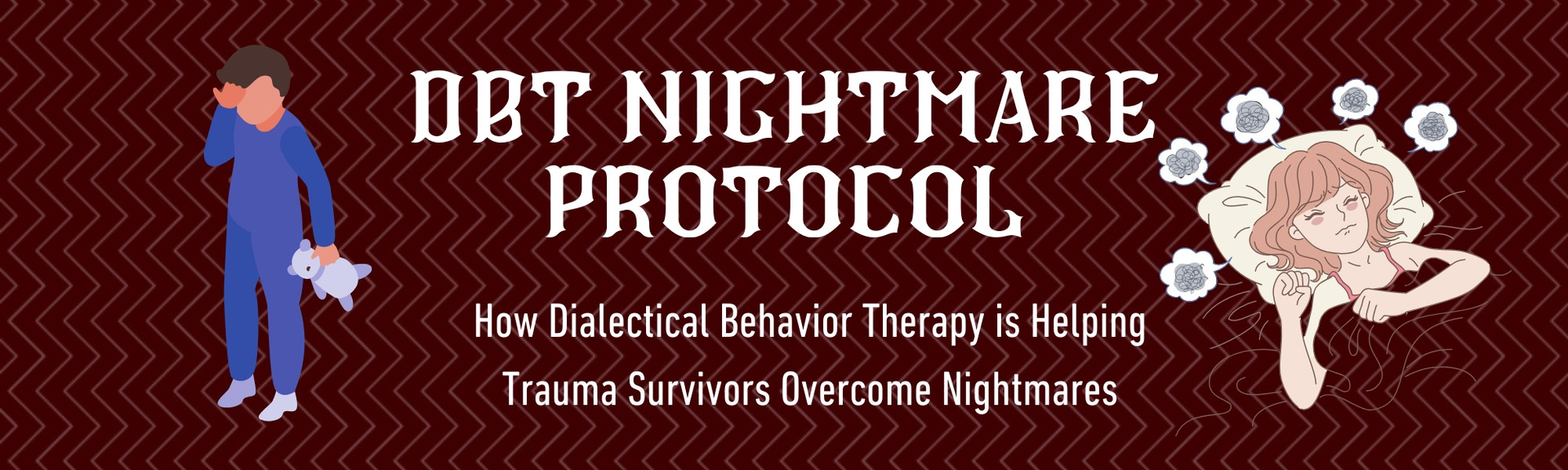
Dialectical Behavior Therapy (DBT) was developed by psychologist Marsha Linehan in the 1980s to treat individuals with borderline personality disorder (BPD). DBT combines cognitive-behavioral therapy (CBT) with mindfulness and emphasizes acceptance and validation of intense emotions. It involves weekly individual and group therapy sessions, where individuals learn specific skills related to mindfulness, distress tolerance, emotion regulation, and interpersonal effectiveness. DBT has since been adapted to treat a range of mental health conditions and is recognized as an evidence-based treatment. DBT has been proven effective in treating a wide range of mental health conditions, including borderline personality disorder, substance abuse, and eating disorders. One of the key components of DBT is the use of specific protocols to address common issues that clients may experience. One of these protocols is the DBT Nightmare Protocol, which is designed to help individuals who are experiencing recurring nightmares. Nightmares are a common experience for many people, and they can be particularly distressing for individuals who have experienced trauma. In fact, nightmares are a symptom of post-traumatic stress disorder (PTSD), and they can be a significant barrier to healing for individuals who are struggling with this condition. The DBT Nightmare Protocol was developed to help these individuals manage their nightmares and reduce their overall distress. The DBT Nightmare Protocol is a 10-week protocol that is designed to help individuals learn to manage their nightmares through a combination of behavioral strategies and cognitive techniques. The protocol is typically conducted in a group setting, although it can also be done on an individual basis. The following is an overview of the different components of the DBT Nightmare Protocol. Week 1: Psychoeducation The first week of the DBT Nightmare Protocol is dedicated to psychoeducation. During this week, the therapist will provide information about nightmares and the impact they can have on mental health. Clients will also learn about the common triggers for nightmares and the different ways in which nightmares can be managed. Week 2: Sleep Hygiene During the second week of the DBT Nightmare Protocol, clients will learn about sleep hygiene. This includes information about the importance of getting enough sleep, as well as strategies for improving sleep quality. Clients will also learn about the relationship between sleep and nightmares, and they will be provided with specific strategies for reducing the frequency and intensity of their nightmares. Week 3: Imagery Rehearsal Therapy Imagery rehearsal therapy (IRT) is a technique that is commonly used to treat nightmares. During the third week of the DBT Nightmare Protocol, clients will learn about IRT and how it can be used to reduce the frequency and intensity of nightmares. Clients will also have the opportunity to practice IRT techniques with the guidance of their therapist. In IRT, your therapist first provides you with background information on sleep and nightmares to "set the scene" for learning to manage them. Then, working with your therapist, you create detailed, nonfrightening endings for nightmares you've had repeatedly. Write down and rehearse the nightmares with the new endings. Learn how to monitor your nightmares so you know how well your IRT treatment is working. The goal is to "reprogram" your nightmares to be less terrifying if and when they occur again. Week 4: Mindfulness Mindfulness is a key component of DBT, and it can be particularly helpful for individuals who are experiencing nightmares. During the fourth week of the DBT Nightmare Protocol, clients will learn about mindfulness and how it can be used to manage anxiety and other symptoms associated with nightmares. Week 5: Progressive Muscle Relaxation Progressive muscle relaxation (PMR) is a relaxation technique that involves tensing and then relaxing different muscle groups in the body. This technique can be particularly helpful for individuals who are experiencing nightmares. During the fifth week of the DBT Nightmare Protocol, clients will learn about PMR and how it can be used to reduce the intensity of nightmares. Week 6: Cognitive Restructuring Cognitive restructuring is a technique that is used to challenge negative thought patterns and beliefs. During the sixth week of the DBT Nightmare Protocol, clients will learn about cognitive restructuring and how it can be used to challenge negative beliefs and thoughts that contribute to nightmares. People sometimes experience distorted thinking. Thought patterns that create an unhealthy perspective of reality. Cognitive distortions often lead to depression, anxiety, relationship problems, and self-defeating behaviors. Examples of cognitive distortions include: black-and-white thinking catastrophizing overgeneralizing personalizing Cognitive restructuring allows you to notice these maladaptive thoughts as they’re occurring. And then practice reframing these thoughts in more accurate ways. During this step, you will question your assumptions, gather evidence by self-monitoring on a daily basis, and perform cost-benefit various analyses. If you can change how you look at certain events or circumstances, your feelings and the actions you take may also change. Week 7: Graded Exposure Graded exposure is a technique that involves gradually exposing oneself to a feared situation or object. During the seventh week of the DBT Nightmare Protocol, clients will learn about graded exposure and how it can be used to reduce the fear associated with nightmares. Week 8: Relaxation Training Relaxation training is a technique that involves teaching individuals to relax their bodies and minds. During the eighth week of the DBT Nightmare Protocol, clients will learn about relaxation training and how it can be used to reduce anxiety and other symptoms associated with nightmares. Clients will also have the opportunity to practice relaxation techniques with the guidance of their therapist. Week 9: Self-Compassion Self-compassion is an important component of DBT, and it can be particularly helpful for individuals who have experienced trauma. During the ninth week of the DBT Nightmare Protocol, clients will learn about self-compassion and how it can be used to reduce self-criticism and self-blame associated with nightmares. Week 10: Relapse Prevention The final week of the DBT Nightmare Protocol is focused on relapse prevention. During this week, clients will learn about the different strategies they can use to maintain the progress they have made in managing their nightmares. They will also be encouraged to develop a plan for how they will continue to manage their nightmares after the end of the protocol. The DBT Nightmare Protocol is a comprehensive and effective approach to managing nightmares. By incorporating a range of behavioral and cognitive strategies, clients are able to learn the skills they need to reduce the frequency and intensity of their nightmares. If you are experiencing nightmares, it may be helpful to speak with a mental health professional who is trained in DBT to see if the DBT Nightmare Protocol is right for you. Unsure about adapting DBT into your framework? -A randomized controlled trial of DBT for suicidal and self-injuring individuals with BPD found that DBT was more effective than treatment as usual in reducing suicidal and self-injurious behaviors (Linehan et al., 2006). -A meta-analysis of 11 randomized controlled trials of DBT for individuals with BPD found that DBT was effective in reducing suicidal and self-injurious behaviors, as well as other symptoms of BPD, such as depression and anxiety (Kliem et al., 2010). -A randomized controlled trial of DBT for individuals with binge eating disorder found that DBT was more effective than treatment as usual in reducing binge eating and improving eating disorder-related attitudes and behaviors (Safer et al., 2010). -A review of 17 studies of DBT for individuals with substance use disorders found that DBT was effective in reducing substance use and improving overall functioning (Linehan et al., 2002). Overall, research suggests that DBT is an effective treatment for a range of mental health conditions, including BPD, eating disorders, substance use disorders, and post-traumatic stress disorder (PTSD). It is worth noting that the effectiveness of DBT can vary depending on individual factors, such as the severity of symptoms and the level of treatment adherence. Perhaps you are a private practice in the mental health industry, or maybe a large agency trying to get your clinicians on the same page regarding Trauma Informed Care. Consider the Pioneer Counseling Trauma Informed Care Psychotherapy Tx Planner. It really is more than a tx planner, it is a guide and a point of reference. https://www.amazon.com/dp/B0BQ9FWFMT?ref_=cm_sw_r_cp_ud_dp_0MKBDBQ5PRD8G8NBEJ0B No alt text provided for this image Geries Shaheen is a Licensed Professional Counselor and Nationally Certified Counselor operating in and around St. Louis Missouri. Geries holds his MA in Professional Counseling from Lindenwood University, BA in Intercultural Studies from Lincoln Christian University, and holds a certificate in Life Coaching, Geries provides life coaching services to clients online globally. Geries is EMDR trained and DBT Certified, practicing from a Trauma Informed Care lens.e body content of your post goes here. To edit this text, click on it and delete this default text and start typing your own or paste your own from a different source.
By Geries Shaheen March 25, 2023
Erik Erikson's theory of psychosocial development is a widely accepted and highly regarded framework for understanding human development from infancy to old age. Erikson believed that individuals go through eight distinct stages of development, each with its unique set of psychosocial challenges and opportunities. In this article, we will explore each of Erikson's stages of psychosocial development and discuss ways to utilize this model in mental health counseling sessions. Stage 1: Trust vs. Mistrust (Birth to 18 Months) The first stage of psychosocial development occurs from birth to 18 months. At this stage, infants learn to trust or mistrust their environment and caregivers based on how their needs are met. If their needs are consistently met with warmth, comfort, and care, they develop a sense of trust in the world. Conversely, if their needs are neglected or met inconsistently, they may develop a sense of mistrust. Counseling Application: In therapy, it's essential to establish a safe and nurturing environment to build trust with clients. As a therapist, it's crucial to show warmth, empathy, and non-judgmental support. By providing a safe and caring environment, clients can begin to build trust and feel comfortable opening up. Stage 2: Autonomy vs. Shame and Doubt (18 Months to 3 Years) During this stage, toddlers begin to develop a sense of autonomy and independence. They want to do things on their own and assert their independence. If caregivers encourage this behavior, toddlers develop a sense of autonomy. Conversely, if caregivers are overly restrictive or critical, toddlers may develop shame and doubt about their abilities. Counseling Application: In therapy, it's crucial to acknowledge clients' need for autonomy and independence. Encourage clients to make their own decisions and take charge of their lives. Help them explore their strengths and abilities and provide positive reinforcement to build their confidence. Stage 3: Initiative vs. Guilt (3 to 6 Years) During this stage, children begin to explore their world and develop a sense of initiative. They want to try new things and take on new challenges. If caregivers support and encourage this behavior, children develop a sense of initiative. Conversely, if caregivers are overly critical or dismissive, children may develop a sense of guilt. Counseling Application: In therapy, it's crucial to help clients explore new possibilities and take on new challenges. Encourage them to set goals and work towards achieving them. Help them develop a sense of accomplishment and pride in their achievements. Stage 4: Industry vs. Inferiority (6 to 12 Years) During this stage, children begin to develop a sense of industry and competence. They want to learn new skills and take on more significant challenges. If caregivers support and encourage this behavior, children develop a sense of industry. Conversely, if caregivers are overly critical or dismissive, children may develop a sense of inferiority. Counseling Application: In therapy, it's crucial to help clients develop a sense of competence and achievement. Encourage them to explore new skills and interests, and provide positive reinforcement for their efforts. Help them develop a sense of pride and accomplishment in their achievements. Stage 5: Identity vs. Role Confusion (12 to 18 Years) During this stage, adolescents begin to explore their identity and establish a sense of self. They try on different roles and experiment with different behaviors to discover who they are. If caregivers support and encourage this behavior, adolescents develop a sense of identity. Conversely, if caregivers are overly critical or dismissive, adolescents may experience role confusion and a lack of direction. Counseling Application: In therapy, it's crucial to help clients explore their identity and develop a sense of self. Encourage them to explore their interests and passions, and help them identify their values and beliefs. Assist them in developing a sense of direction and purpose in life. Validate their experiences and provide a supportive environment for them to express themselves. Stage 6: Intimacy vs. Isolation (18 to 40 Years) During this stage, young adults begin to establish intimate relationships with others. They seek emotional and physical connections with others and form lasting bonds. If young adults are successful in developing these relationships, they experience intimacy. If they fail to establish these connections, they may feel isolated and alone. Counseling Application: In therapy, it's crucial to help clients develop healthy and meaningful relationships with others. Provide support and guidance in navigating the challenges of intimate relationships. Encourage clients to communicate effectively, set boundaries, and practice self-care. Stage 7: Generativity vs. Stagnation (40 to 65 Years) During this stage, middle-aged adults begin to focus on their contribution to society and the next generation. They seek to make a positive impact on the world and leave a lasting legacy. If they are successful in these endeavors, they experience generativity. If they fail to make a meaningful contribution, they may feel a sense of stagnation. Counseling Application: In therapy, it's crucial to help clients explore their values, passions, and goals. Encourage them to find ways to make a positive impact on their community and the world. Assist them in developing a sense of purpose and fulfillment in their lives. Stage 8: Integrity vs. Despair (65 Years and Older) During this stage, older adults reflect on their lives and seek to find meaning and purpose in their experiences. They may experience a sense of satisfaction and fulfillment if they have lived a meaningful life. Alternatively, they may experience despair if they feel that their life has been wasted. Counseling Application: In therapy, it's crucial to help clients reflect on their lives and find meaning and purpose in their experiences. Encourage them to focus on their strengths and accomplishments and find ways to continue to make a positive impact on the world. Provide support and guidance in navigating the challenges of aging and help them find ways to maintain their independence and quality of life. Erikson's theory of psychosocial development provides a comprehensive framework for understanding human development across the lifespan. By understanding the challenges and opportunities of each stage, mental health therapists can provide tailored interventions to support clients' growth and development. Utilizing this model in therapy sessions can help clients develop a sense of self-awareness, purpose, and fulfillment in their lives. Erikson's theory proposes that at each stage of life, individuals face a specific psychosocial crisis that must be resolved in order to progress to the next stage. When individuals successfully resolve the crisis, they develop a specific virtue or strength that enables them to navigate future challenges. Here are the virtues attained from each stage: Trust vs. Mistrust (Birth to 18 months) - The virtue of hope: If infants receive consistent and responsive care from their caregivers, they develop a sense of trust in the world around them. This trust allows them to feel hopeful and optimistic about the future. Autonomy vs. Shame and Doubt (18 months to 3 years) - The virtue of will : If toddlers are encouraged to explore their environment and make choices for themselves, they develop a sense of autonomy and independence. This allows them to develop a strong sense of will and self-control. Initiative vs. Guilt (3 to 6 years) - The virtue of purpose : If young children are encouraged to take initiative and explore their environment, they develop a sense of purpose and direction in life. This allows them to feel a sense of accomplishment and pride in their achievements. Industry vs. Inferiority (6 to 12 years) - The virtue of competence : If children are encouraged to master new skills and succeed in academic and social endeavors, they develop a sense of competence and confidence. This allows them to feel capable and successful in future endeavors. Identity vs. Role Confusion (12 to 18 years) - The virtue of fidelity: If adolescents successfully navigate the challenge of developing a sense of identity, they develop a sense of fidelity or loyalty to themselves and others. This allows them to develop a clear sense of values and beliefs that guide their decision-making in adulthood. Intimacy vs. Isolation (18 to 40 years) - The virtue of love : If young adults are successful in developing meaningful and intimate relationships with others, they develop a sense of love and connection. This allows them to form lasting bonds with others and experience deep emotional fulfillment. Generativity vs. Stagnation (40 to 65 years) - The virtue of care : If middle-aged adults are successful in making a positive contribution to society and the next generation, they develop a sense of care and concern for others. This allows them to feel fulfilled and satisfied with their accomplishments. Integrity vs. Despair (65 years and older) - The virtue of wisdom : If older adults reflect on their lives and find meaning and purpose in their experiences, they develop a sense of wisdom and acceptance. This allows them to feel at peace with their life's journey and to share their insights with future generations. By developing these virtues, individuals are better equipped to navigate the challenges of life and to find fulfillment and purpose in their experiences. Mental health therapists can help clients develop these virtues by providing guidance and support as they navigate each stage of development. Regression is a common phenomenon that occurs when individuals revert to earlier patterns of behavior or thought in response to stress, anxiety, or other challenges. When individuals regress, they may exhibit symptoms that are typical of earlier stages of development, even if they have already progressed through those stages. Here are some common symptoms related to regression: Withdrawal : Individuals who regress may withdraw from social situations, become isolated, and avoid social interactions. Tantrums : Regression may manifest as temper tantrums or outbursts of emotion that are typical of earlier developmental stages. Sleep disturbances : Regression may cause sleep disturbances, such as difficulty falling or staying asleep, nightmares, or night terrors. Regression in daily habits : Clients may stop doing things they were previously able to do, such as brushing their teeth, taking showers or dressing themselves. Regression in communication: Clients may use baby talk or simple language or lose their vocabulary altogether. Anxiety : Regression can cause anxiety or fear related to a particular situation or object, such as separation anxiety or fear of the dark. Helplessness : Clients may feel helpless and dependent, expecting others to do everything for them. For example, a client who is struggling with intimacy in their relationships may regress to stage 5 (Identity vs. Role Confusion) and struggle with developing a sense of self. This can prevent them from successfully navigating stage 6 (Intimacy vs. Isolation) and developing meaningful connections with others. If left unresolved, the client may continue to struggle with intimacy and become stuck in earlier stages of development. I n post-traumatic stress disorder (PTSD), regression is often seen as a way for the client to cope with the traumatic experience. A study found that 53% of patients with PTSD experienced symptoms of regression, such as avoidance or withdrawal. Similarly, a study on depression found that 42% of patients exhibited regressive behavior, such as clinging to others or exhibiting temper tantrums. In borderline personality disorder, regression is seen as a maladaptive coping mechanism that can lead to impulsive or self-destructive behaviors. I t's important for mental health therapists to be aware of these common symptoms related to regression and to help clients overcome them in therapy. By addressing regression, therapists can help clients progress through each stage of development and develop the virtues associated with each stage, leading to greater personal growth and fulfillment. It's essential for therapists to recognize when clients are regressing and provide support and guidance to help them move forward. Here are some ways therapists can help clients overcome regression: Validate the Client's Experience: It's important for therapists to acknowledge and validate the client's feelings and experiences. This can help build trust and provide a safe space for the client to express themselves. 2. Help Clients Identify Triggers: Identifying triggers that cause clients to regress can help them anticipate and prepare for potential setbacks. This can help clients develop coping mechanisms and prevent them from becoming stuck in earlier stages. 3. Encourage Clients to Practice Self-Care: Encouraging clients to practice self-care can help them manage stress and anxiety that can lead to regression. This can include activities such as exercise, mindfulness, and relaxation techniques. 4. Provide Tools for Growth: Providing clients with tools and techniques to manage stress and anxiety can help them progress through each stage of development. This can include cognitive-behavioral therapy, interpersonal therapy, and other evidence-based interventions. By addressing regression in therapy, therapists can help clients overcome obstacles and progress through each stage of development, developing the virtues associated with each stage. This can help clients live a more fulfilling and purposeful life, and achieve a sense of self-awareness and personal growth. Perhaps you are a private practice in the mental health industry, or maybe a large agency trying to get your clinicians on the same page regarding Trauma Informed Care. Consider the Pioneer Counseling Trauma Informed Care Psychotherapy Tx Planner. It really is more than a tx planner, it is a guide and a point of reference. https://www.amazon.com/dp/B0BQ9FWFMT?ref_=cm_sw_r_cp_ud_dp_0MKBDBQ5PRD8G8NBEJ0B Geries Shaheen is a Licensed Professional Counselor and Nationally Certified Counselor operating in and around St. Louis Missouri. Geries holds his MA in Professional Counseling from Lindenwood University, BA in Intercultural Studies from Lincoln Christian University, and holds a certificate in Life Coaching, Geries provides life coaching services to clients online globally. Geries is EMDR trained and DBT Certified, practicing from a TIC lens.The body content of your post goes here. To edit this text, click on it and delete this default text and start typing your own or paste your own from a different source.
By Geries Shaheen February 16, 2023
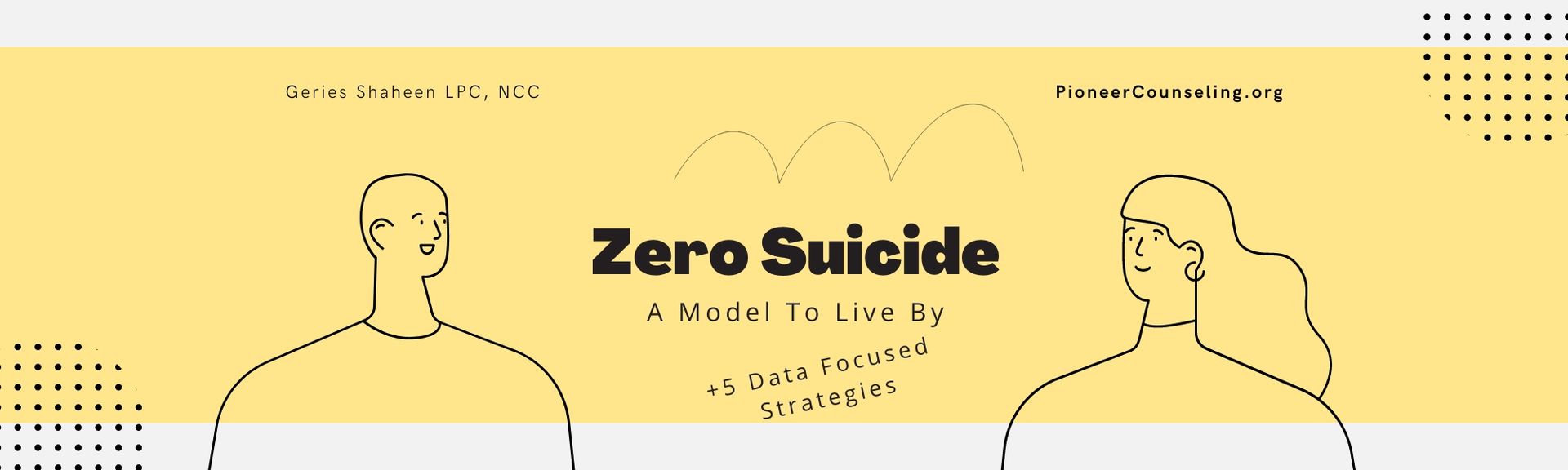
Suicide is a leading cause of death in the United States: According to the Centers for Disease Control and Prevention (CDC), suicide is the 10th leading cause of death in the United States, with a rate of 14.0 suicides per 100,000 people in 2020. Suicide rates have been increasing in recent years: The CDC reports that suicide rates in the United States have been increasing since 1999, with the highest rate recorded in 2020. Access to mental health services is a key factor in preventing suicide: Studies have shown that access to mental health services can play a critical role in preventing suicide. However, only about half of individuals in the United States with a mental illness receive treatment, which can lead to a higher risk of suicide. Improving access to mental health services, especially for those at high risk of suicide, is a key factor in reducing the rate of suicide. This past year, I have had the opportunity to receive extensive training in the Zero Suicide Model, as well as join a Zero Suicide Collaborative! Yes, these exist! The Zero Suicide Model is a comprehensive approach to suicide prevention in healthcare organizations. It is based on the idea that suicide deaths for individuals under the care of health systems are preventable, and it aims to reduce the number of suicide deaths through a combination of clinical, organizational, and cultural changes. The Zero Suicide Institute is a non-profit organization that provides training, resources, and technical assistance to healthcare organizations to implement the Zero Suicide Model. This Model is an evidence-based approach that has been shown to reduce suicide deaths in health systems. It consists of seven key components: leadership commitment, clinical best practices, a suicide care management team, data-driven quality improvement, suicide risk assessment, and safety planning, employee training and cultural competence, and ongoing evaluation and improvement. Leadership commitment is essential to the success of the Zero Suicide Model. The organization's leadership must make a public commitment to the prevention of suicide deaths and create an infrastructure to support the implementation of the model. This includes ensuring that the resources and support are in place for the staff to implement the model effectively. Clinical best practices are an important component of the Zero Suicide Model. This includes evidence-based assessments, risk stratification, and evidence-based treatments for those at risk of suicide. It is essential for healthcare organizations to provide their staff with the training and resources they need to effectively assess and treat individuals at risk of suicide. The Zero Suicide Model also includes a suicide care management team, which is responsible for ensuring that all patients at risk of suicide receive appropriate care. This team should include individuals from various departments, such as psychiatry, nursing, social work, and primary care. The team should also have the resources and support they need to effectively coordinate care for patients at risk of suicide. Data-driven quality improvement is a crucial component of the Zero Suicide Model. This involves regularly collecting and analyzing data to monitor the effectiveness of the model and identify areas for improvement. The data should be used to inform clinical decision-making and guide the development of new best practices for suicide prevention. Suicide risk assessment and safety planning are critical components of the Zero Suicide Model. All patients at risk of suicide should receive a comprehensive assessment to determine their level of risk and develop a safety plan to reduce that risk. This safety plan should include information on warning signs, coping strategies, and the steps to take in the event of a crisis. Employee training and cultural competence are also important components of the Zero Suicide Model. All staff, including those who may not work directly with patients, should receive training on suicide prevention and risk assessment. This training should help staff understand the warning signs of suicide, how to respond to a crisis, and how to provide appropriate referrals for those at risk of suicide. Finally, ongoing evaluation and improvement are essential to the success of the Zero Suicide Model. Regular evaluations should be conducted to monitor the effectiveness of the model and identify areas for improvement. This feedback should be used to make ongoing improvements to the model, to ensure that it remains effective in reducing the number of suicide deaths. Consider these action steps in confronting suicide prevention in your agency or practice: 1) Integrative in-depth charting that showcases the golden thread regarding suicide prevention. A data-driven system that showcases comparative charts. How many clients indicated having suicidal hx, or suicidal ideation? Of these, how many received a safety plan? Of those, how many clients indicated utilizing said safety plan? Collectively, how many were assessed within sessions at each session for suicidality? This data-driven approach will help bring to light any gaps that may exist systematically. 2) Consider surveying your agency annually and upon hire. How many of your workforce know how to respond if another staff, a stakeholder, or a client presents signs of suicidality? For a long time, suicidality has been seen as a personal concept not to be discussed. This Model suggests the opposite. Suicide is a community disruptor, and thus it is everyone’s responsibility. You may be surprised at your findings. Connecting training completion numbers will also give you a sense of security knowing your agency is on the same page regarding suicide prevention. 3) Incident Reporting monitoring for charting EMS and Hospitalizations. Indicating how many are related directly to suicidality. 4) Collaboration with staff/ teams in developing effective/evidence-based responses to suicidality. These are to be constructed as action steps within the incident reports themselves. Mitigation both from a formal lens, and a 1x1 approach. 5) Incorporating accessibility to mental health services (even if they are not through you or your agency) after hours 24/7. Accessible care does not always mean it must be territorial care- you can not be all things to all people all of the time. Consider a variety of tools/ hotlines/ apps/ community centers/ private practices as means to equip the client. In the most recent Zero Suicide Collaborative meeting, we discussed IFS- internal family systems, as well as the development/ implementation of Peer-Led Suicide Prevention groups. Derek Vaughn from the Gibson center in Cape Girardeau Missouri reflected on their groups called the 988 group. We viewed resources like the following: https://drexel.edu/familyintervention/abft-training-program/abft-training/Self%20Paced%20Course/ https://didihirsch.org/download-best-practices-manuals-toolkits/ We even had a rep from the Missouri Department of Mental Health (DMH)/ Casey Muckler, showcase a new magazine type resources rolling out to schools! See below  https://www.flipsnack.com/pathtomysuccessprograms/988_guide-for-schools/full-view.html In conclusion, the Zero Suicide Model is a comprehensive approach to suicide prevention that has been shown to be effective in reducing the number of suicide deaths in health systems. The Zero Suicide Institute provides training, resources, and technical assistance to healthcare organizations to implement the model effectively. By implementing the Zero Suicide Model, healthcare organizations can play a critical role in preventing suicide deaths and improving the lives of individuals at risk of suicide. Geries Shaheen is a Licensed Professional Counselor and Nationally Certified Counselor operating in and around St. Louis Missouri. Geries holds his MA in Professional Counseling from Lindenwood University, BA in Intercultural Studies from Lincoln Christian University, and holds a certificate in Life Coaching, Geries provides life coaching services to clients online globally. Geries is EMDR trained and DBT Certified, practicing from a TIC lens.The body content of your post goes here. To edit this text, click on it and delete this default text and start typing your own or paste your own from a different source.
By Geries Shaheen February 16, 2023
As a licensed professional counselor, I have had the opportunity to work with a diverse range of clients who have presented with a variety of difficulties. While each person's experience is unique, there are certain difficulties that are commonly encountered in counseling. In this blog post, I will discuss some of the most common difficulties clients face and provide strategies for addressing them, including statistics that support the prevalence of these difficulties. 1. Difficulty in building trust and rapport with the therapist: Building a therapeutic relationship is the foundation of effective counseling, yet some clients may struggle to trust the therapist or feel comfortable sharing their thoughts and feelings. This can be especially true for those who have had negative experiences in therapy in the past, or those who have difficulty trusting others in general. According to a study published in the Journal of Clinical Psychology, about 15% of clients drop out of therapy within the first three sessions, with lack of trust in the therapist being one of the primary reasons cited. To address this, therapists can work to create a safe and non-judgmental space for clients, actively listen and validate their experiences, and clearly communicate the therapeutic process and boundaries. 2. Difficulty in identifying and expressing emotions: Many clients may struggle to understand and communicate their emotions, which can make it difficult to process and make sense of their experiences. According to a study published in the Journal of Counseling Psychology, emotional expressiveness is positively related to better therapeutic outcomes. To address this, therapists can help clients develop an emotional vocabulary and provide strategies for identifying and expressing emotions in a healthy way. 3. Difficulty in setting and achieving goals: Setting and achieving goals can be challenging for clients who may feel overwhelmed or lack motivation. According to a study published in the Journal of Consulting and Clinical Psychology, goal-setting is positively related to better therapeutic outcomes. To address this, therapists can work with clients to set realistic and achievable goals and provide tools and strategies for overcoming obstacles and staying on track. 4. Difficulty in managing stress and anxiety: Stress and anxiety can be overwhelming for many clients, and can make it difficult for them to function in their daily lives. According to the Anxiety and Depression Association of America, anxiety disorders are the most common mental health concern in the United States, affecting 40 million adults in the U.S age 18 and older, or 18.1% of the population every year. To address this, therapists can teach clients coping strategies such as mindfulness, relaxation techniques, and cognitive-behavioral therapy to help them manage these feelings in a healthy way. 5. Difficulty in overcoming past traumas: Past traumas can have a significant impact on a person's present and future, and can lead to a variety of difficulties such as anxiety, depression, and relationship problems. According to the National Center for PTSD, about 8% of the U.S population will have PTSD at some point in their lives. To address this, therapists can use a variety of evidence-based techniques such as cognitive-behavioral therapy, EMDR, and other trauma-focused therapies to help clients process and heal from their experiences. While these are some of the most common difficulties clients face in counseling, it is important to note that each person's experience is unique and may require a tailored approach. As a licensed professional counselor, I work collaboratively with clients to identify their specific needs and develop an individualized plan to address them. With the right support and strategies, clients can make meaningful progress in their journey toward healing and growth. As with any field, you might be new to, there are helpful reads you can pick up! Guides, books, workbooks! Read through the below list for 5 helpful book resources as you enter the counseling field! "The Counseling Practicum and Internship Manual: A Resource for Graduate Counseling Students" by Shannon Hodges. This is a comprehensive guide for graduate counseling students and new counselors, providing practical information and strategies for successfully navigating the counseling practicum and internship experience. It covers topics such as developing therapeutic relationships, understanding the counseling process, and addressing ethical and legal issues. "The Handbook of Clinical Techniques in Child and Adolescent Therapy" edited by Thomas Ollendick and Michel Hersen. This book is a comprehensive resource for counselors working with children and adolescents, providing a wide range of evidence-based techniques and strategies for addressing common mental health issues. It covers topics such as anxiety, depression, and behavioral problems, and includes chapters on specific populations such as children with autism and those who have experienced trauma. "The Skilled Helper" by Gerard Egan. This classic text provides a comprehensive overview of the counseling process, including the skills and strategies needed to be an effective counselor. It covers topics such as building rapport, active listening, and goal-setting, and provides practical examples and exercises for developing these skills. "Cognitive-Behavioral Therapy: Basics and Beyond" by Judith Beck. This book is a comprehensive guide to cognitive-behavioral therapy (CBT), one of the most widely used and evidence-based therapies in counseling. It covers the basics of CBT and provides strategies for addressing a wide range of mental health issues, including anxiety, depression, and relationship problems. "Introduction to Addictions and Substance Abuse Counseling" by David Capuzzi and Mark D. Stauffer. This book is a comprehensive introduction to the field of addictions and substance abuse counseling. It covers the basics of substance abuse, the impact of addiction on individuals and families, and the most effective treatment strategies for addressing addiction. It also includes information about the ethical and legal issues involved in the field. These books can provide a solid foundation of knowledge and practical techniques for licensed professional counselors starting new in the field, helping them navigate the counseling process effectively. It is important to stay up to date with new research and developments in the field. Additionally, it is also important to seek out supervision and mentorship from experienced counselors to gain additional guidance and support. Perhaps you are a private practice in the mental health industry, or maybe a large agency trying to get your clinicians on the same page regarding Trauma Informed Care. Consider the Pioneer Counseling Trauma Informed Care Psychotherapy Tx Planner. It really is more than a tx planner, it is a guide and a point of reference.  https://www.amazon.com/dp/B0BQ9FWFMT?ref_=cm_sw_r_cp_ud_dp_0MKBDBQ5PRD8G8NBEJ0B Geries Shaheen is a Licensed Professional Counselor and Nationally Certified Counselor operating in and around St. Louis Missouri. Geries holds his MA in Professional Counseling from Lindenwood University, BA in Intercultural Studies from Lincoln Christian University, and holds a certificate in Life Coaching, Geries provides life coaching services to clients online globally. Geries is EMDR trained and DBT Certified, practicing from a TIC lens.The body content of your post goes here. To edit this text, click on it and delete this default text and start typing your own or paste your own from a different source.

By Geries Shaheen February 16, 2023
If you have been in the mental health field at all, you have probably picked up on the fact that therapy and counseling are personal. Thus trauma is personal. Throughout our field, we learn to celebrate small wins along the way. • Approximately 70% of adults in the U.S. have experienced some type of traumatic event at least once in their lives. (Source: National Institute of Mental Health, 2020) • About 20% of these adults will go on to develop PTSD, or post-traumatic stress disorder. (Source: National Institute of Mental Health, 2020) • Nearly 4 million adults have PTSD in a given year. (Source: National Institute of Mental Health, 2020) • Women are twice as likely to develop PTSD as men. (Source: National Institute of Mental Health, 2020) • Approximately 59% of men and 51% of women have experienced at least one traumatic event in their lifetime. (Source: National Center for PTSD, 2020) • Over 20 million adults in the United States suffer from some type of mental illness in a given year. (Source: Substance Abuse and Mental Health Services Administration, 2020) • Approximately 8 million adults are affected by serious psychological distress or major depression in any given year. (Source: Substance Abuse and Mental Health Services Administration, 2020) • Approximately 8.7% of Americans reported having PTSD at some point in their life. (Source: National Center The sustainability of TIC must be an active role we take in our industry, whether through movements or committees. Some of us might send Monthly newsletters in our organizations or even write consistent articles on TIC. Various agencies have built Comfort Rooms into their programs. Crisis stabilization Units have leaned on TIC committees to help with the development of programming and even design! These are just a few examples of tangible change. It can be truly hard to keep staff engaged in conceptualization in TIC when they do not see tangible physical components.I was recently in a TIC committee group where this was shared “Data persuades, Stories inspire.” People remember stories. These become teaching tools. Newsletters are not always about the content, but perhaps just the story itself. Could the story itself be plenty to bring impact? At this point, for most agencies “All staff” are trained in TIC principles and practices. The idea is to have the best standards presented on large scale without missing the personal component. Here are a few elements to consider in orientating your staff on TIC. Define Trauma Realize - statistics of trauma Recognize - how impactful trauma is on our communities Respond - using trauma-informed approaches Recognize - training is essential Avoid Retraumatizing - both staff and clients! Having the knowledge of TIC is one thing, but presenting care through a narrative manner impacts lives! Telling stories, creating meaningfulness. We all need guides, training, and slides, but the one thing that we all deeply need is a place in the larger story of life. Perhaps you are a private practice in the mental health industry, or maybe a large agency trying to get your clinicians on the same page regarding Trauma Informed Care. Consider the Pioneer Counseling Trauma Informed Care Psychotherapy Tx Planner. It really is more than a tx planner, it is a guide and a point of reference. https://www.amazon.com/dp/B0BQ9FWFMT?ref_=cm_sw_r_cp_ud_dp_0MKBDBQ5PRD8G8NBEJ0B  Geries Shaheen is a Licensed Professional Counselor and Nationally Certified Counselor operating in and around St. Louis Missouri. Geries holds his MA in Professional Counseling from Lindenwood University, BA in Intercultural Studies from Lincoln Christian University, and holds a certificate in Life Coaching, Geries provides life coaching services to clients online globally. Geries is EMDR trained and DBT Certified, practicing from a TIC lens.
By Geries Shaheen January 10, 2023
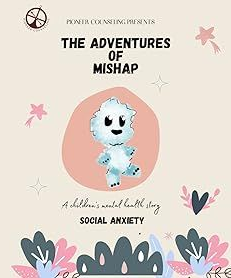
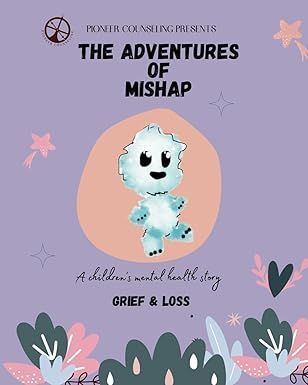
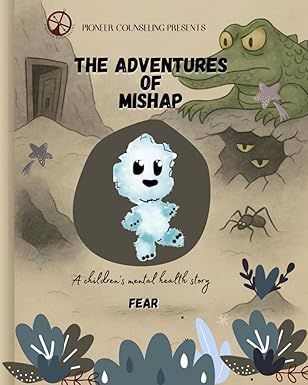
Why I Created A Mental Health Character
Show More

Service-connected mental health conditions are prevalent among veterans, and one of the most common is depression. Veterans with severe depression linked to their military service may qualify for a 100% disability rating from the U.S. Department of Veterans Affairs. Our mission is to assist veterans with the array of issues they may face, including obtaining proper disability compensation, financial and health assistance, information on the GI bill, and more. We have created some helpful guides and will continuously be adding more. Check it out:

Depression VA Disability - veteransguide.org/va-disability/ratings/depression/

VA Disability Appeals - veteransguide.org/va-disability/appeals/

What's important to us is providing resources and help for veterans and their families.


Books

This resource list is meant to provide various samples or full documents to those looking for life improvement or aid. The list does not serve as an endorsement to any publishers or authors, but rather as a tool to connect material to its respective audience. 


PDFs

Relapse Prevention Plan PDF


Boundaries with Emotions 

Boundaries with Emotions 

Boundaries for Women

She's Better Than Me 

Imagine Problem Is Solved 

Thinking About Accomplishments 

Let Your Pain Pass By 

Reduce Stress at Work 

Family Dinner Cards 

5 Finger Relaxation 

Brief Pain Inventory 

Contract for Adult Child Living at Home 

Hope Goals Map 

Understand Family Strengths 

Self Care Plan 

Emotional Safety Kit 

Tolerating Uncertainty 

Communicating Like a Leader 

Coping with Loneliness 

Choosing the Top Priority 

Understanding Consequences 

Conscious Uncoupling 

Positive Parenting Checklist 

Coping With Job Loss 

Ordered Task Completion (Children)

Pioneer Counseling Thought Journal Sheet

Pioneer Counseling Lifestyle Activities Log

Pioneer Counseling Reframing Thoughts Sheet

EMDR Toolbox (CIPOS) - Jim Knipe (book)


Personality Test

PTSD Card Template front  +  Template Back


One Belief at a time Online Tool

One Belief at a time PDF


TIC Resources


Video Resources: 

Book Resources: 

  • The Body Keeps Score by Bessel Van Der Kolk
  • Trauma Stewardship, Laura van Dernoot Lipsky
  • Restoring Sanctuary, Sandra Bloom and Brian Farragher
  • Minfulness Skills Workbooks, Debra Burdick
  • Mindup Curriculum Scholastic
  • 8 to Great, MK Mueller
  • Waking the Tiger, Peter Levine
  • In an Unspoken Voice, Peter Levine
  • Brainstorm, Daniel Seigel
  • Therapeutic Stories that Heal, Nancy Davis
  • Culturally Responsive Teaching and the Brain, Zaretta Hammond
  • Trauma Recovery and Empowerment, Maxine Harris
  • Zones of Regulation, Leah Kuypers
  • Preventing Bullying, The National Academies of Science, Engineering, Medicine
  • The Whole Brain Child, Daniel Siegel
  • No Drama Discipline, Daniel Siegel and Tina Payne Bryson
  • My Grandmother's Hand, Resmaa Menakem


Self-Care Handouts:


Handouts/Documents:


Resourceful Documents:


Cultural Resources

Racial Justice and Diversity, Equity, and Inclusion Resources

Improving Cultural Competence TIP59

Bias Test

APA DSM5 Cultural Formation Questionnaire


Grief/ Loss

    -Bereavement Resource Manual

    -The Healing Workbook

    -Coping with Loss workbook

    -Worksheets

    -Grief Counseling Field Manual

    -Free Grief / loss Trainings

                 -https://www.naadac.org/journey-grief-and-loss-webinar

                 -https://alison.com/course/bereavement-and-grief-counselling

                 -https://catalog.pesi.com/sales/bh_s_001575_griefsummit_organic-314682

                 -https://rockcreektherapy.com/online-therapy-events/grief-workshop-series/

                 -https://therapywisdom.com/2022/11/18/webinar-grief-janina-fisher-webinar-grieve/


Podcasts


The Counseling Convos Podcast


Mental Health Insights: Using Creativity To Improve Mental Health


PocketSuite Interview


Friends Of Brry, Podcast ft. Geries Shaheen, ep.013


Workshop: Mitigating Student Stress In A Post Covid World


How does Prevention and DEI Overlap?


ASAM Resources


Severity Cheat Sheet


Community Resources


Marriage Dinners

  • The existing model for understanding mental health and mental disorders emphasizes the interaction of social, environmental, and genetic factors throughout the lifespan.

    The existing model for understanding mental health and mental disorders emphasizes the interaction of social, environmental, and genetic factors throughout the lifespan.

    Button
  • It is estimated mental disorders are attributable to 14.3% of deaths worldwide, or approximately 8 million deaths each year. (JAMA Psychiatry, 2015)

    It is estimated mental disorders are attributable to 14.3% of deaths worldwide, or approximately 8 million deaths each year. (JAMA Psychiatry, 2015)

    Button
  • 970 million people worldwide have a mental health or substance abuse disorder. (Our World in Data, 2018)

    970 million people worldwide have a mental health or substance abuse disorder. (Our World in Data, 2018)

    Button
  • “I found that with depression, one of the most important things you can realize is that you’re not alone. You’re not the first to go through it, you’re not gonna be the last to go through it,” — Dwayne “The Rock” Johnson

    “I found that with depression, one of the most important things you can realize is that you’re not alone. You’re not the first to go through it, you’re not gonna be the last to go through it,” — Dwayne “The Rock” Johnson

    Button
  • “The experience I have had is that once you start talking about [experiencing a mental health struggle], you realize that actually you’re part of quite a big club.” — Prince Harry

    “The experience I have had is that once you start talking about [experiencing a mental health struggle], you realize that actually you’re part of quite a big club.” — Prince Harry

    Button
  • “Life doesn’t make any sense without interdependence. We need each other, and the sooner we learn that, the better for us all.” — Erik Erikson

    “Life doesn’t make any sense without interdependence. We need each other, and the sooner we learn that, the better for us all.”  — Erik Erikson

    Button
  • “Anyone can be affected, despite their level of success or their place on the food chain. In fact, there is a good chance you know someone who is struggling with it since nearly 20% of American adults face some form of mental illness in their lifetime. So why aren’t we talking about it?” — Kristen Bell

    “Anyone can be affected, despite their level of success or their place on the food chain. In fact, there is a good chance you know someone who is struggling with it since nearly 20% of American adults face some form of mental illness in their lifetime. So why aren’t we talking about it?” — Kristen Bell

    Button